Our Detroit office has moved to 4160 John R Street, Suite 1011, DMC Harper Professional Bldg., 10th Floor, Detroit, MI 48201

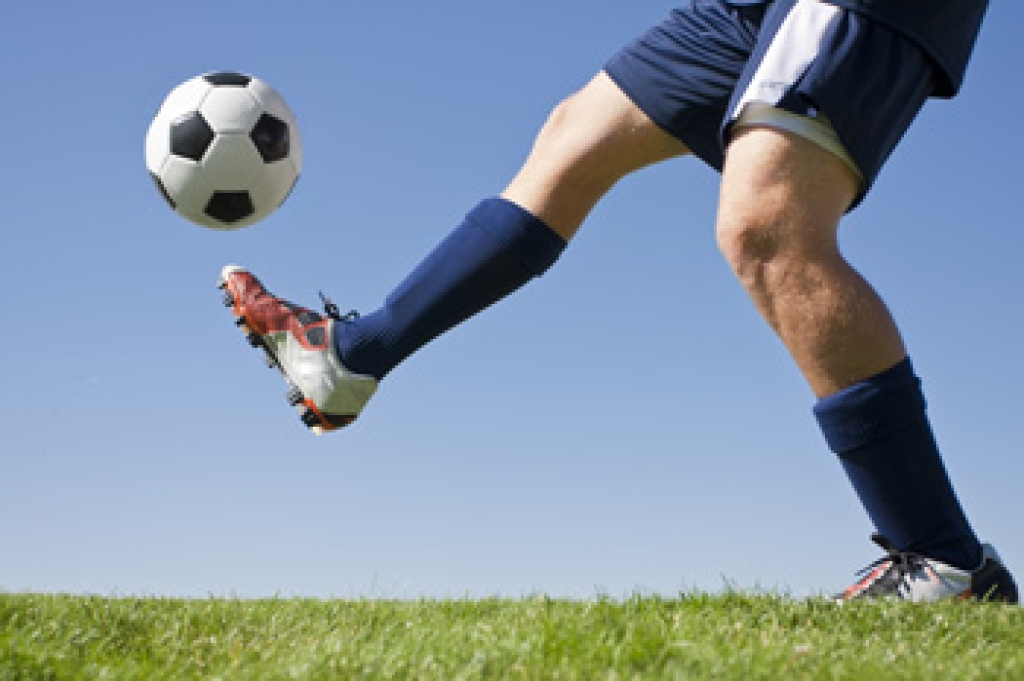
Soccer and Foot and Ankle Injuries

Soccer is a physically demanding sport where foot and ankle injuries are prevalent. Three common injuries in soccer are plantar fasciitis, ankle sprains, and Achilles tendonitis. Plantar fasciitis is the inflammation of the plantar fascia, a tissue connecting the heel to the ball of the foot. It causes pain on the heel and along the arch of the foot and may result from playing on hard surfaces or due to anatomical factors like flat feet or weak muscles. Ankle sprains occur when the ankle ligaments are overstretched or torn. Symptoms can include pain, bruising, and swelling. These sprains are often caused by awkward landings or playing on uneven surfaces. Achilles tendonitis involves inflammation or rupture of the Achilles tendon, causing mild aches or stiffness in the leg. It can be triggered by a sudden change in exercise intensity or from wearing inappropriate footwear. If you or your child has an injured foot or ankle from playing soccer, it is suggested that you make an appointment with a podiatrist for a proper diagnosis, and treatment, in addition to learning about preventative measures that can be taken to make you more resilient against such injuries.

Sports related foot and ankle injuries require proper treatment before players can go back to their regular routines. For more information, contact Manisha Mehta, DPM of Detroit, MI. Our doctor can provide the care you need to keep you pain-free and on your feet.

Sports Related Foot and Ankle Injuries

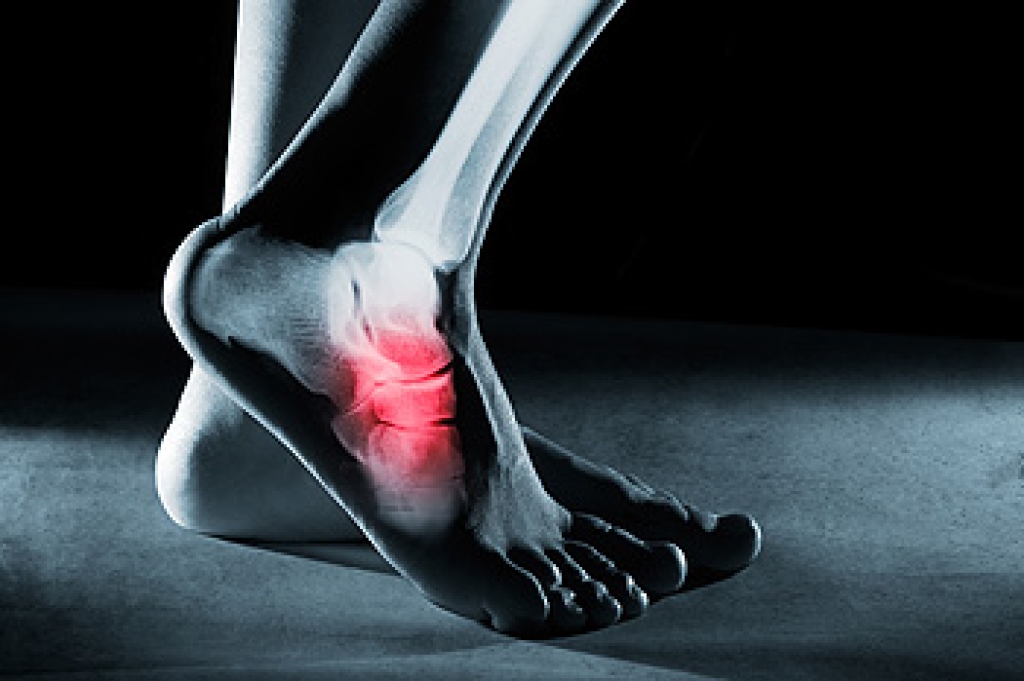
Foot and ankle injuries are a common occurrence when it comes to athletes of any sport. While many athletes dismiss the initial aches and pains, the truth is that ignoring potential foot and ankle injuries can lead to serious problems. As athletes continue to place pressure and strain the area further, a mild injury can turn into something as serious as a rupture and may lead to a permanent disability. There are many factors that contribute to sports related foot and ankle injuries, which include failure to warm up properly, not providing support or wearing bad footwear. Common injuries and conditions athletes face, including:

  • Plantar Fasciitis
  • Achilles Tendinitis
  • Achilles Tendon Rupture
  • Ankle Sprains

Sports related injuries are commonly treated using the RICE method. This includes rest, applying ice to the injured area, compression and elevating the ankle. More serious sprains and injuries may require surgery, which could include arthroscopic and reconstructive surgery. Rehabilitation and therapy may also be required in order to get any recovering athlete to become fully functional again. Any unusual aches and pains an athlete sustains must be evaluated by a licensed, reputable medical professional.

If you have any questions please contact our office located in Detroit, MI . We offer the newest diagnostic and treatment technologies for all your foot and ankle needs.
Read more about Sports Related Foot And Ankle Injuries

Proper Recovery for a Foot Stress Fracture

A foot stress fracture can be a painful setback, but with the right approach to recovery, you can ensure a swift and safe return to your active lifestyle. The first step is rest. Allowing your foot to heal is of utmost importance, and this may mean using crutches or a brace to minimize weight-bearing. Getting adequate nutrition, rich in calcium and vitamin D, aids in bone healing. Gentle exercises like swimming or stationary cycling can help maintain cardiovascular fitness without adding stress to your healing foot. Gradually, as pain subsides, introduce weight-bearing activities and strength exercises. Wearing footwear with proper arch support and cushioning is suggested to help reduce pressure at the fracture site. A gradual return to regular activity and sport is vital to prevent re-injury. If you have suffered a foot stress fracture, it is strongly suggested that you visit a podiatrist who can provide the correct treatment options.

Stress fractures occur when there is a tiny crack within a bone. To learn more, contact Manisha Mehta, DPM from Detroit, MI. Our doctor can provide the care you need to keep you pain free and on your feet.

How Are They Caused?

Stress fractures are the result of repetitive force being placed on the bone. Since the lower leg and feet often carry most of the body’s weight, stress fractures are likely to occur in these areas. If you rush into a new exercise, you are more likely to develop a stress fracture since you are starting too much, too soon.  Pain resulting from stress fractures may go unnoticed at first, however it may start to worsen over time.

Risk Factors

  • Gender – They are more commonly found in women compared to men.
  • Foot Problems – People with unusual arches in their feet are more likely to develop stress fractures.
  • Certain Sports – Dancers, gymnasts, tennis players, runners, and basketball players are more likely to develop stress fractures.
  • Lack of Nutrients – A lack of vitamin D and calcium may weaken the bones and make you more prone to stress fractures
  • Weak Bones – Osteoporosis can weaken the bones therefore resulting in stress fractures

Stress fractures do not always heal properly, so it is important that you seek help from a podiatrist if you suspect you may have one. Ignoring your stress fracture may cause it to worsen, and you may develop chronic pain as well as additional fractures.

If you have any questions please contact our office located in Detroit, MI . We offer the newest diagnostic and treatment technologies for all your foot and ankle needs.

Read more about Stress Fractures of the Foot and Ankle

Causes and Phases of Big Toe Arthritis

Big toe arthritis, also known as hallux rigidus, is a condition that can cause significant discomfort and limitation in mobility. In the initial stage of big toe arthritis, patients may experience mild pain when bending the great toe joint. This discomfort might start as a dull ache, but pain may gradually intensify as the joint warms up. Some individuals may notice slight warmth and swelling after physical activity. As the condition progresses, the range of motion in the affected joint decreases due to cartilage loss. In advanced stages, the joint may become nearly immobile. Bone spurs and calcifications around the joint cause it to appear bulkier, leading to discomfort when wearing shoes. Some patients may experience a burning sensation, numbness, or tingling in the toe due to pressure on skin nerves between bone spurs and shoe wear. Definitive diagnosis of big toe arthritis requires standing X-rays of the feet. While X-rays don't directly show cartilage, they reveal narrowing or loss of joint space, bone spurs, and bone erosions, all indicative of arthritis. If you're experiencing persistent toe pain or suspect big toe arthritis, it is suggested that you make an appointment with a podiatrist for an accurate diagnosis and appropriate treatment plan. 

Toe pain can disrupt your daily activities. If you have any concerns, contact Manisha Mehta, DPM of Detroit, MI. Our doctor can provide the care you need to keep you pain-free and on your feet.

What Causes Toe Pain?

Most severe toe pain is caused due to a sports injury, trauma from dropping something heavy on the toe, or bumping into something rigid. Other problems can develop over time for various reasons.

Toe pain can be caused by one or more ailments. The most common include:

  • Trauma
  • Sports injury
  • Wearing shoes that are too tight
  • Arthritis
  • Gout
  • Corns and calluses
  • Hammertoe
  • Bunions
  • Blisters
  • Ingrown toenails
  • Sprains
  • Fractures (broken bones)
  • Dislocations

When to See a Podiatrist

  • Severe pain
  • Persistent pain that lasts more than a week
  • Signs of infection
  • Continued swelling
  • Pain that prevents walking

Diagnosis

In many cases the cause of toe pain is obvious, but in others, a podiatrist may want to use more advanced methods to determine the problem. These can range from simple visual inspections and sensation tests to X-rays and MRI scans. Prior medical history, family medical history, and any recent physical traumatic events will all be taken into consideration for a proper diagnosis.

Treatment

Treatments for toe pain and injuries vary and may include shoe inserts, padding, taping, medicines, injections, and in some cases, surgery. If you believe that you have broken a toe, please see a podiatrist as soon as possible.

If you have any questions please contact our office located in Detroit, MI . We offer the newest diagnostic and treatment technologies for all your foot and ankle needs.

Read more about Toe Pain

Do Your Child's Feet Hurt?

Have your child's feet been examined lately? Healthy feet are happy feet. If your child is complaining of foot pain, it may be a sign of underlying problems.

Features of Running Shoes for Marathoners

When it comes to marathon running, a grueling 26.2-mile journey, selecting the ideal pair of running shoes can significantly affect your performance and overall foot health, as well as prevent injury. Here are some essential features to consider when choosing your marathon running shoes. Cushioning plays a vital role in marathon shoes. Select shoes with adequate midsole cushioning to absorb the shock generated by each stride. Arch support for proper foot alignment is essential to prevent overpronation or supination, either of which can lead to discomfort and potential injuries. Breathability is important, as running for extended periods can result in sweaty feet, which may lead to discomfort, infection, and even blisters. The weight of marathon shoes cannot be ignored. The lighter the shoe, the less fatigue your legs will experience over the long distance. Lastly, durability should not be underestimated. Marathon training and racing can put your shoes through significant wear and tear. To ensure your shoes last the distance, select pairs constructed from high-quality materials designed to withstand the rigors of marathon running. For additional help with selecting the right running shoes, it is suggested that you consult a podiatrist.

If you are a runner, wearing the right running shoe is essential. For more information, contact Manisha Mehta, DPM from Detroit, MI. Our doctor can provide the care you need to keep you pain-free and on your feet.

Choosing the Right Running Shoe for Your Foot Type

To increase performance and avoid the risk of injury, it is important to choose the right running shoe based on your foot type. The general design of running shoes revolves around pronation, which is how the ankle rolls from outside to inside when the foot strikes the ground.

  • Neutral runners are able to choose from a wide variety of shoes, including minimalist shoes or even going barefoot.
  • Runners who overpronate, or experience an over-abundance of ankle rolling, should choose shoes that provide extra motion control and stability.
  • Runners who underpronate, or supinate, have feet that have high arches and lack flexibility, preventing shock absorption. They require shoes with more flexibility and cushion.

If you have any questions, please feel free to contact our office located in Detroit, MI . We offer the newest diagnostic and treatment technologies for all your foot care needs.

Read more about Choosing the Right Running Shoe for Your Foot Type

Connect With Us

Advanced Podiatric Procedures & Services in the Lucas County, OH: Toledo (Ottawa Hills, Silica, Holland, Shoreland, Oregon, Harbor View, Maumee) and Wayne County, MI: Detroit (Hamtramck, River Rouge, Dearborn, Melvindale, Highland Park, Grosse Pointe Park, Grosse Pointe, Lincoln Park, Allen Park, Redford Charter Twp) and Wood County, OH: Rossford, Northwood, Walbridge areas