Our Detroit office has moved to 4160 John R Street, Suite 1011, DMC Harper Professional Bldg., 10th Floor, Detroit, MI 48201

Keeping Senior Feet Healthy and Comfortable

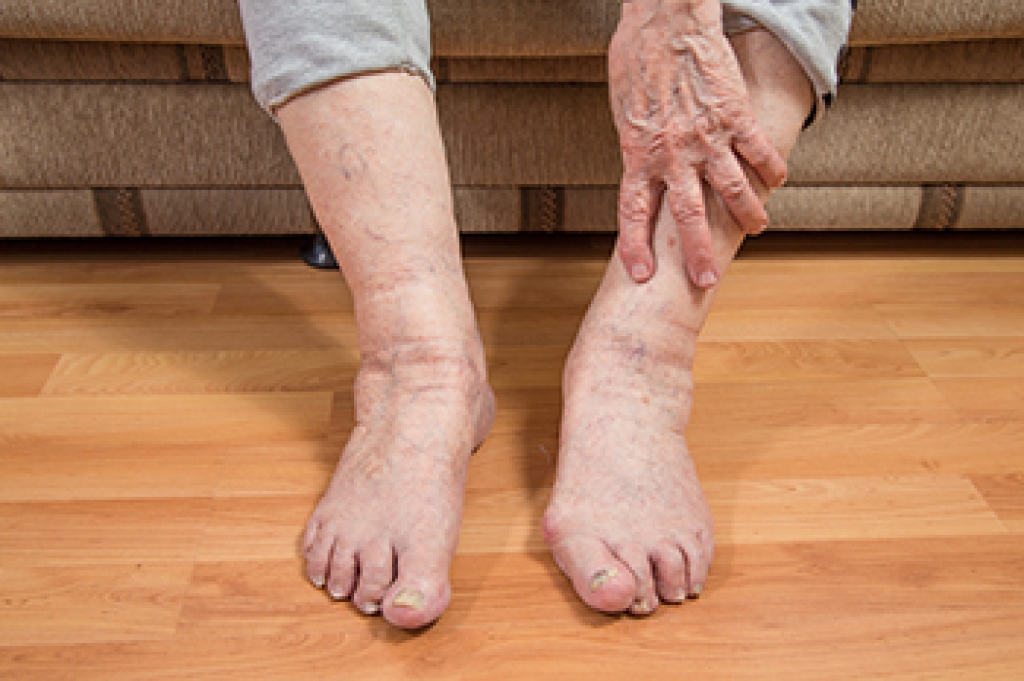
As we age, our feet naturally lose cushioning, flexibility, and circulation, making them more vulnerable to pain and injury. Seniors can maintain healthy feet by washing and drying them daily, moisturizing to prevent cracks, and trimming nails straight across to avoid ingrown toenails. Wearing properly fitted shoes with good support reduces pressure points and improves balance. Regularly checking the feet for sores, swelling, or color changes helps catch problems early, especially for those with diabetes or poor circulation. Gentle stretching and light exercise promote flexibility and blood flow, keeping the feet strong and mobile. A podiatrist can assist with routine foot care for seniors, monitor any underlying conditions, and recommend footwear or custom orthotics, when needed. If you are a senior, it is suggested that you have consistent professional checkups by a podiatrist to help you stay active, comfortable, and independent for years to come.

Proper foot care is something many older adults forget to consider. If you have any concerns about your feet and ankles, contact Manisha Mehta, DPM from Detroit, MI. Our doctor can provide the care you need to keep you pain-free and on your feet.

The Elderly and Their Feet

As we age we start to notice many changes in our body, but the elder population may not notice them right away. Medical conditions may prevent the elderly to take notice of their foot health right away. Poor vision is a lead contributor to not taking action for the elderly.

Common Conditions 

  • Neuropathy – can reduce feeling in the feet and can hide many life-threatening medical conditions.
  • Reduced flexibility – prevents the ability of proper toenail trimming, and foot cleaning. If left untreated, it may lead to further medical issues.
  • Foot sores – amongst the older population can be serious before they are discovered. Some of the problematic conditions they may face are:
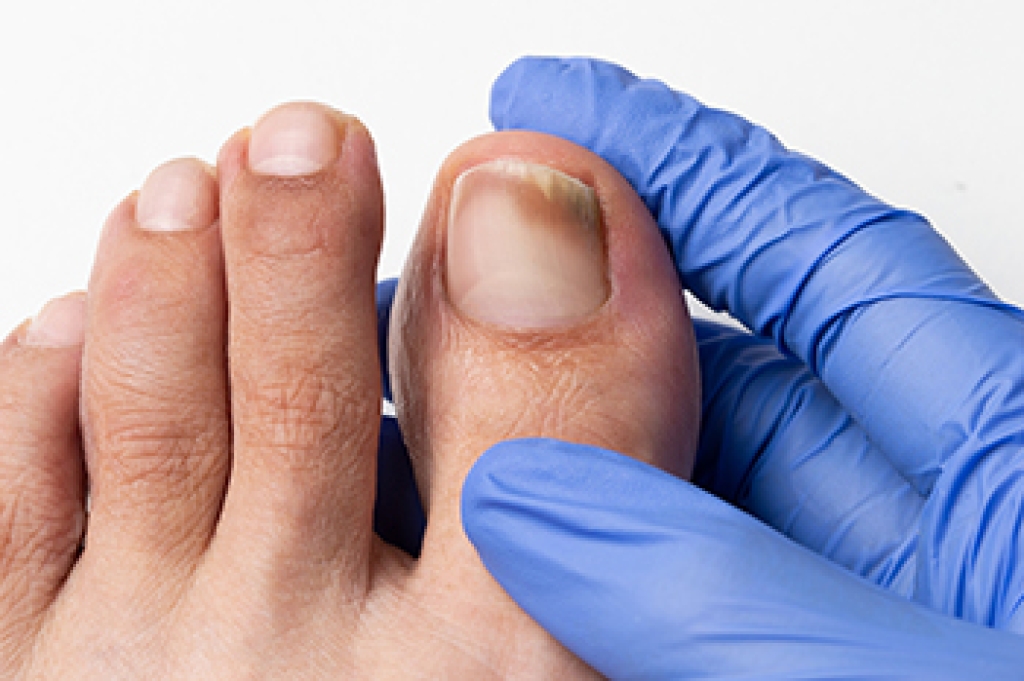
  • Gouging toenails affecting nearby toe
  • Shoes that don’t fit properly
  • Pressure sores
  • Loss of circulation in legs & feet
  • Edema & swelling of feet and ankles

Susceptible Infections

Diabetes and poor circulation can cause general loss of sensitivity over the years, turning a simple cut into a serious issue.

If you have any questions, please feel free to contact our office located in Detroit, MI . We offer the newest diagnostic and treatment technologies for all your foot care needs.

Read more about Geriatrics and Podiatry

Exploring the Many Causes of Toe Pain

Toe pain can develop for many reasons, and identifying the cause is key to proper treatment. An ingrown toenail occurs when the nail grows into the surrounding skin, causing redness, swelling, and sharp pain. A bunion forms when the big toe joint becomes misaligned, creating a visible bump and soreness that worsens with tight shoes. A broken toe may result from trauma and often appears bruised, swollen, and tender to the touch. Gout is a type of arthritis caused by uric acid buildup, leading to sudden, intense pain, redness, and warmth in the joint, often at night. Each condition may look and feel different, but all can interfere with walking and daily activities. A podiatrist can diagnose the exact cause through examination, imaging, and testing, then provide treatments such as nail care, custom orthotics, medication, or immobilization. It is suggested that you make an appointment with a podiatrist to find lasting relief from toe pain. 

Toe pain can disrupt your daily activities. If you have any concerns, contact Manisha Mehta, DPM of Detroit, MI. Our doctor can provide the care you need to keep you pain-free and on your feet.

What Causes Toe Pain?

Most severe toe pain is caused due to a sports injury, trauma from dropping something heavy on the toe, or bumping into something rigid. Other problems can develop over time for various reasons.

Toe pain can be caused by one or more ailments. The most common include:

  • Trauma
  • Sports injury
  • Wearing shoes that are too tight
  • Arthritis
  • Gout
  • Corns and calluses
  • Hammertoe
  • Bunions
  • Blisters
  • Ingrown toenails
  • Sprains
  • Fractures (broken bones)
  • Dislocations

When to See a Podiatrist

  • Severe pain
  • Persistent pain that lasts more than a week
  • Signs of infection
  • Continued swelling
  • Pain that prevents walking

Diagnosis

In many cases the cause of toe pain is obvious, but in others, a podiatrist may want to use more advanced methods to determine the problem. These can range from simple visual inspections and sensation tests to X-rays and MRI scans. Prior medical history, family medical history, and any recent physical traumatic events will all be taken into consideration for a proper diagnosis.

Treatment

Treatments for toe pain and injuries vary and may include shoe inserts, padding, taping, medicines, injections, and in some cases, surgery. If you believe that you have broken a toe, please see a podiatrist as soon as possible.

If you have any questions please contact our office located in Detroit, MI . We offer the newest diagnostic and treatment technologies for all your foot and ankle needs.

Read more about Toe Pain

How Diabetes Affects Toenails

Diabetes can lead to various foot and toenail issues due to poor circulation, nerve damage, and compromised immune function. Common toenail problems in diabetics include onycholysis, which is a separation of the nail from the nail bed, ingrown toenails, fungal infections, and periungual erythema, which is redness around the nail. These conditions often arise because diabetes weakens the body’s ability to fight infections and heal wounds. Symptoms include pain, swelling, discoloration, or a thickened nail, which may become brittle or discolored. Fungal infections may cause the nail to crumble or thicken, while ingrown toenails can cause tenderness and redness. Treatment may involve antifungal medications, proper nail trimming techniques, or the use of custom orthotics to alleviate pressure. In more severe cases, a podiatrist may recommend medical intervention or even nail removal. Proper foot care, including regular check-ups with a podiatrist, is essential for preventing complications. If you are dealing with these types of issues, it is suggested that you make an appointment with a podiatrist.

If left untreated, toenail fungus may spread to other toenails, skin, or even fingernails. If you suspect you have toenail fungus it is important to seek treatment right away. For more information about treatment, contact Manisha Mehta, DPM of Detroit, MI. Our doctor can provide the care you need to keep you pain-free and on your feet.

Symptoms

  • Warped or oddly shaped nails
  • Yellowish nails
  • Loose/separated nail
  • Buildup of bits and pieces of nail fragments under the nail
  • Brittle, broken, thickened nail

Treatment

If self-care strategies and over-the-counter medications does not help your fungus, your podiatrist may give you a prescription drug instead. Even if you find relief from your toenail fungus symptoms, you may experience a repeat infection in the future.

Prevention

In order to prevent getting toenail fungus in the future, you should always make sure to wash your feet with soap and water. After washing, it is important to dry your feet thoroughly especially in between the toes. When trimming your toenails, be sure to trim straight across instead of in a rounded shape. It is crucial not to cover up discolored nails with nail polish because that will prevent your nail from being able to “breathe”.

In some cases, surgical procedure may be needed to remove the toenail fungus. Consult with your podiatrist about the best treatment options for your case of toenail fungus.  

If you have any questions please contact our office located in Detroit, MI . We offer the newest diagnostic and treatment technologies for all your foot and ankle needs.

Read more about Treating Toenail Fungus

Let the Expert Treat Your Ingrown Toenails

Ingrown toenails can be painful and can make wearing shoes or walking uncomfortable. Seek professional help if you believe you've developed an ingrown toenail and be treated safely. 

The Structure and Function of the Foot and Ankle

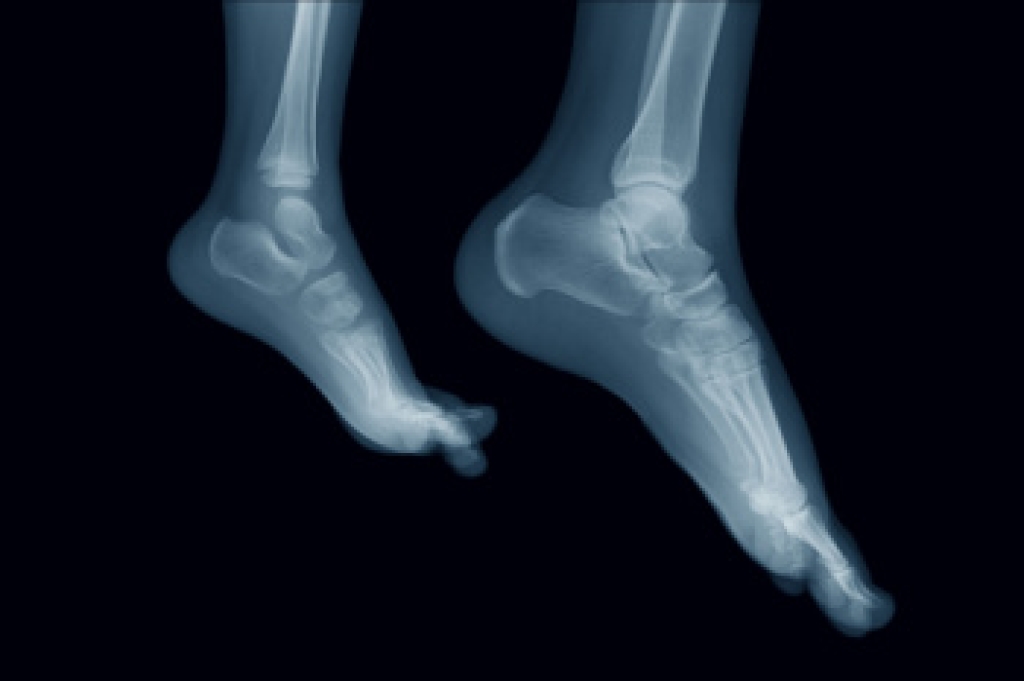
The foot and ankle form a complex structure designed to support body weight, absorb shock, and maintain balance during movement. They consist of numerous bones connected by joints, ligaments, and muscles that work together to provide strength and flexibility. The soles and ankles contain sensory receptors that help the body detect pressure and adjust balance with each step. When any part of this system is injured or strained, it can affect mobility and stability. A podiatrist can assess structural issues, treat injuries, and recommend exercises or custom orthotics to restore proper function. If you have developed foot pain, it is suggested that you consult a podiatrist who can determine the cause and offer effective treatment solutions.

If you have any concerns about your feet, contact Manisha Mehta, DPM from Detroit, MI. Our doctor can provide the care you need to keep you pain-free and on your feet.

Biomechanics in Podiatry

Podiatric biomechanics is a particular sector of specialty podiatry with licensed practitioners who are trained to diagnose and treat conditions affecting the foot, ankle and lower leg. Biomechanics deals with the forces that act against the body, causing an interference with the biological structures. It focuses on the movement of the ankle, the foot and the forces that interact with them.

A History of Biomechanics

  • Biomechanics dates back to the BC era in Egypt where evidence of professional foot care has been recorded.
  • In 1974, biomechanics gained a higher profile from the studies of Merton Root, who claimed that by changing or controlling the forces between the ankle and the foot, corrections or conditions could be implemented to gain strength and coordination in the area.

Modern technological improvements are based on past theories and therapeutic processes that provide a better understanding of podiatric concepts for biomechanics. Computers can provide accurate information about the forces and patterns of the feet and lower legs.

Understanding biomechanics of the feet can help improve and eliminate pain, stopping further stress to the foot.

If you have any questions please feel free to contact our office located in Detroit, MI . We offer the newest diagnostic and treatment technologies for all your foot and ankle needs.

Read more about Biomechanics in Podiatry

Connect With Us

Advanced Podiatric Procedures & Services in the Lucas County, OH: Toledo (Ottawa Hills, Silica, Holland, Shoreland, Oregon, Harbor View, Maumee) and Wayne County, MI: Detroit (Hamtramck, River Rouge, Dearborn, Melvindale, Highland Park, Grosse Pointe Park, Grosse Pointe, Lincoln Park, Allen Park, Redford Charter Twp) and Wood County, OH: Rossford, Northwood, Walbridge areas