Our Detroit office has moved to 4160 John R Street, Suite 1011, DMC Harper Professional Bldg., 10th Floor, Detroit, MI 48201

Understanding the Causes of Ankle Pain

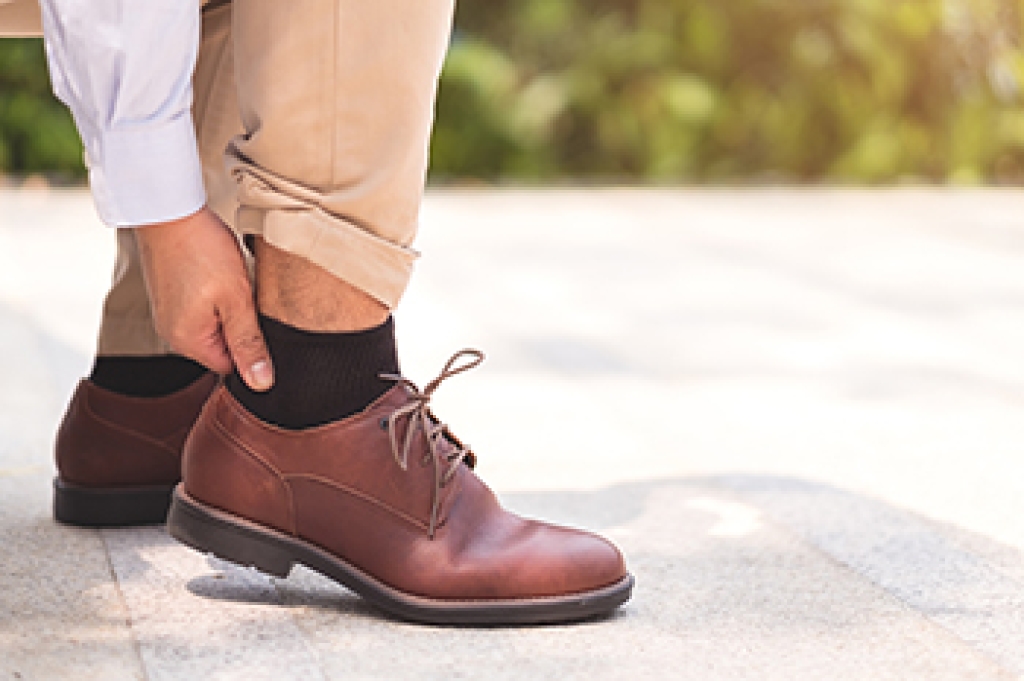
Ankle pain is a common problem that can affect people of all ages and activity levels. The ankle is a complex joint that supports body weight while allowing the foot to move in different directions. Pain may develop suddenly after an injury or appear gradually from repeated stress. Common symptoms include swelling, stiffness, and tenderness surrounding the joint. Some people also experience bruising, difficulty walking, or a feeling that the ankle is unstable. Ankle pain may result from sprains, fractures, or inflammation of the tendons that connect muscles to bones. Because many conditions can produce similar symptoms, a professional evaluation is important to identify the underlying cause and recommend the most appropriate treatment.


Persistent ankle pain can interfere with everyday activities and limit mobility if left untreated. Ongoing discomfort may change the way a person walks, placing additional stress on the foot and lower leg. In some cases, such altered movement can increase strain on the knee or hip over time. A comprehensive podiatry examination helps evaluate the ankle's stability, range of motion, and overall function. Imaging studies may be recommended when a fracture or more serious injury is suspected. Early diagnosis allows treatment to begin before the condition progresses or causes long-term problems that affect balance and daily movement.


A podiatrist specializes in diagnosing and treating ankle pain while evaluating how the injury or condition affects the entire foot and ankle. Professional care focuses on relieving pain, restoring mobility, and improving joint function through an individualized treatment plan. Care is based on the cause of the symptoms and may be adjusted as healing progresses. Regular follow-up visits also help monitor recovery and reduce the risk of ongoing instability or recurring injuries. If you have persistent ankle pain, swelling, or difficulty walking, it is suggested that you consult a podiatrist for an evaluation and appropriate treatment options.

Ankle pain can be caused by a number of problems and may be potentially serious. If you have ankle pain, consult with Manisha Mehta, DPM from Detroit, MI. Our doctor will assess your condition and provide you with quality foot and ankle treatment.

Ankle pain is any condition that causes pain in the ankle. Due to the fact that the ankle consists of tendons, muscles, bones, and ligaments, ankle pain can come from a number of different conditions.

Causes

The most common causes of ankle pain include:

  • Types of arthritis (rheumatoid, osteoarthritis, and gout)
  • Ankle sprains
  • Broken ankles
  • Achilles tendonitis
  • Achilles tendon rupture
  • Stress fractures
  • Bursitis
  • Tarsal tunnel syndrome
  • Plantar fasciitis

Symptoms

Symptoms of ankle injury vary based upon the condition. Pain may include general pain and discomfort, swelling, aching, redness, bruising, burning or stabbing sensations, and/or loss of sensation.

Diagnosis

Due to the wide variety of potential causes of ankle pain, podiatrists will utilize a number of different methods to properly diagnose ankle pain. This can include asking for personal and family medical histories and of any recent injuries. Further diagnosis may include sensation tests, a physical examination, and potentially x-rays or other imaging tests.

Treatment

Just as the range of causes varies widely, so do treatments. Some more common treatments are rest, ice packs, keeping pressure off the foot, orthotics and braces, medication for inflammation and pain, and surgery.

If you have any questions please feel free to contact our office located in Detroit, MI . We offer the newest diagnostic tools and technology to treat your foot and ankle needs.

Read more about Ankle Pain

How Shoe Inserts Support Active Feet and Prevent Injury

Shoe inserts, also known as orthotics, are devices placed inside footwear to support the feet and improve alignment during movement. These inserts are commonly used in sports and physical activities to enhance comfort and reduce strain on the lower body. Orthotics can be custom-made or prefabricated, depending on the level of support needed. Their purpose is to stabilize the foot, improve shock-absorption, and promote efficient movement patterns. By addressing imbalances, orthotics help reduce stress on muscles and joints during activity.

Symptoms that may indicate the need for orthotics include foot pain, arch fatigue, heel discomfort, and instability while running or walking. Athletes may also notice decreased performance or recurring injuries. Risk factors include repetitive motion, high-impact sports, and wearing improper footwear. Structural foot issues such as flat feet or high arches are other factors. Without proper support, these factors can increase the likelihood of movement-related injuries and long-term discomfort.


Orthotics are used to treat a variety of conditions, including plantar fasciitis, Achilles tendon strain, shin splints, and over-pronation. They work by redistributing pressure across the foot and correcting alignment. This helps reduce strain on specific areas and supports natural motion. For individuals involved in sports, orthotics can improve balance, enhance stability, and reduce the risk of injury. They also help absorb impact forces, which is essential for protecting joints during repetitive movement.


The benefits of shoe inserts include improved comfort, better performance, and reduced risk of injury. They can support recovery by minimizing stress on affected areas and promoting proper biomechanics. Consistent use of orthotics can lead to long-term improvements in foot health and mobility. If you have foot pain or conditions that require orthotics, it is suggested that you consult a podiatrist who can determine what type of orthotics are right for you.

If you are having discomfort in your feet and would like to try orthotics, contact Manisha Mehta, DPM from Detroit, MI. Our doctor can provide the care you need to keep you pain-free and on your feet.

What Are Orthotics?

Orthotics are inserts you can place into your shoes to help with a variety of foot problems such as flat feet or foot pain. Orthotics provide relief and comfort for minor foot and heel pain but can’t correct serious biomechanical problems in your feet.

Over-the-Counter Inserts

Orthotics come in a wide variety of over-the-counter inserts that are used to treat foot pain, heel pain, and minor problems. For example, arch supports can be inserted into your shoes to help correct overarched or flat feet, while gel insoles are often used because they provide comfort and relief from foot and heel pain by alleviating pressure.

Prescription Orthotics

If over-the-counter inserts don’t work for you or if you have a more severe foot concern, it is possible to have your podiatrist prescribe custom orthotics. These high-quality inserts are designed to treat problems such as abnormal motion, plantar fasciitis, and severe forms of heel pain. They can even be used to help patients suffering from diabetes by treating foot ulcers and painful calluses and are usually molded to your feet individually, which allows them to provide full support and comfort.

If you are experiencing minor to severe foot or heel pain, it’s recommended to speak with your podiatrist about the possibilities of using orthotics. A podiatrist can determine which type of orthotic is right for you and allow you to take the first steps towards being pain-free.

If you have any questions, please feel free to contact our office located in Detroit, MI . We offer the newest diagnostic and treatment technologies for all your foot care needs.

Read more about Ankle Foot Orthotics for Athletes

Foot Pain From Lupus

Foot pain from lupus is a common concern for individuals living with this chronic autoimmune condition. Lupus occurs when the immune system mistakenly attacks healthy tissues, including joints, blood vessels, and nerves in the feet. This can lead to inflammation, reduced circulation, and tissue damage. Many patients experience persistent discomfort that affects mobility and quality of life. Understanding how lupus impacts the feet is essential for early intervention and long term care. Foot pain related to lupus may also overlap with other conditions such as peripheral neuropathy or Raynaud related circulation changes.

Symptoms of foot pain from lupus often include swelling, numbness, and cold feet. Some individuals notice color changes in the toes, especially in response to cold temperatures or stress. Joint stiffness, burning sensations, and tenderness in the soles are also reported. These symptoms may come and go or worsen during lupus flares. Cold sensitivity is especially important, as reduced blood flow can increase discomfort and raise the risk of tissue injury. Paying attention to early warning signs can help prevent complications.

Several risk factors contribute to lupus-related foot pain. These include long standing autoimmune activity, poor circulation, and improper footwear. Cold environments and prolonged standing can worsen symptoms. Causes are primarily linked to inflammation of joints and blood vessels, as well as nerve irritation. Damage to small blood vessels can reduce oxygen supply to tissues, leading to cold feet and delayed healing. This makes proper foot care a critical part of managing lupus.

If you have lupus, caring for your feet involves simple, but consistent habits. Keeping feet clean and dry helps prevent infection. Wearing properly fitted, supportive shoes reduces pressure and improves alignment. Protecting feet from extreme temperatures is essential, especially in cold weather. Regular foot checks can help identify changes early. If foot pain from lupus is present, it is suggested that you consult a podiatrist for effective relief and management solutions.

Foot Pain

Foot pain can be extremely painful and debilitating. If you have a foot pain, consult with Manisha Mehta, DPM from Detroit, MI. Our doctor will assess your condition and provide you with quality foot and ankle treatment.

Causes

Foot pain is a very broad condition that could be caused by one or more ailments. The most common include:

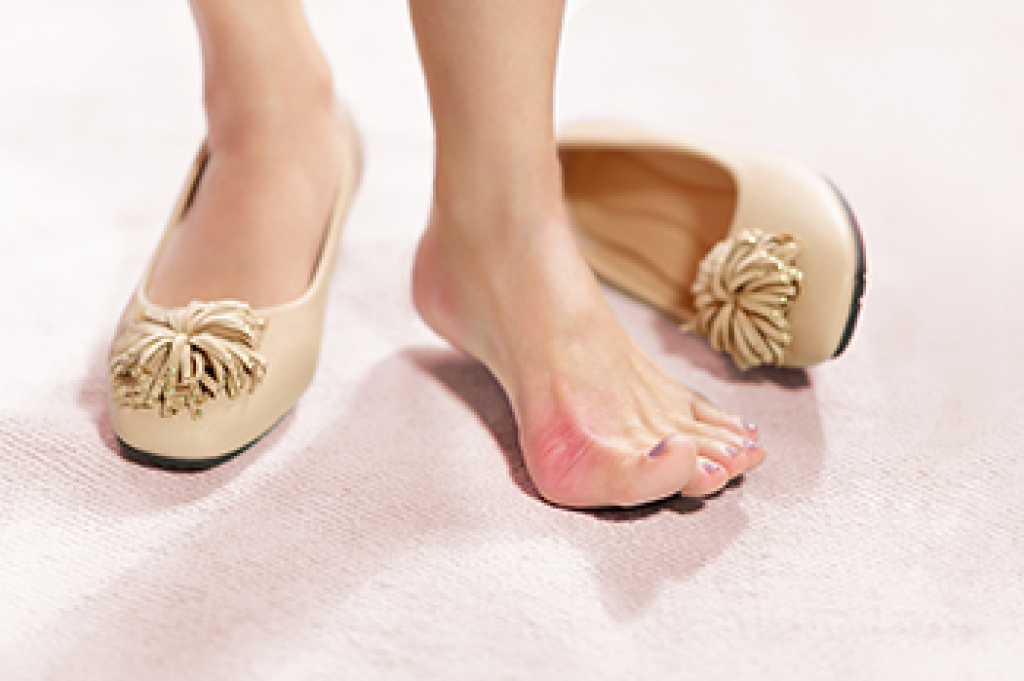
  • Bunions
  • Hammertoes
  • Plantar Fasciitis
  • Bone Spurs
  • Corns
  • Tarsal Tunnel Syndrome
  • Ingrown Toenails
  • Arthritis (such as Gout, Rheumatoid, and Osteoarthritis)
  • Flat Feet
  • Injury (from stress fractures, broken toe, foot, ankle, Achilles tendon ruptures, and sprains)
  • And more

Diagnosis

To figure out the cause of foot pain, podiatrists utilize several different methods. This can range from simple visual inspections and sensation tests to X-rays and MRI scans. Prior medical history, family medical history, and any recent physical traumatic events will all be taken into consideration for a proper diagnosis.

Treatment

Treatment depends upon the cause of the foot pain. Whether it is resting, staying off the foot, or having surgery; podiatrists have a number of treatment options available for foot pain.

If you have any questions, please feel free to contact our office located in Detroit, MI . We offer the newest diagnostic and treatment technologies for all your foot care needs.

Read more about Foot Pain

Podiatric Care for Comfortable and Healthier Feet

Blisters can cause discomfort and make it harder to move comfortably during daily activities. A blister is a small pocket of fluid that forms between layers of skin, usually because of friction, pressure, or irritation. Friction happens when surfaces rub together repeatedly, which can damage the skin and create a painful area. Blisters commonly develop on the feet because they experience repeated pressure from standing, walking, and wearing shoes. Symptoms include redness, tenderness, swelling, and a raised area on the skin. Some patients may also experience pain that affects their ability to participate in normal activities. A podiatrist can examine the blister and surrounding skin to determine the cause and recommend appropriate care.

A podiatrist evaluates foot blisters by reviewing symptoms, examining the affected area, and identifying factors that may have contributed to the problem. The evaluation includes checking skin condition, foot structure, and footwear choices. A podiatrist can provide treatment focused on protecting the affected area, supporting skin health, and reducing factors that contribute to repeated irritation. Care includes recommendations based on the type and location of the blister, along with guidance for managing related foot concerns. A podiatrist also evaluates footwear because shoes that lack proper support or fit poorly can increase pressure and friction on the feet.

Research shows that foot blisters can affect comfort, movement, and activity levels, making proper evaluation important for patients experiencing ongoing concerns. A podiatrist helps identify why blisters develop and creates a treatment plan based on each patient’s foot health and lifestyle. Professional care can help address painful symptoms and support healthier skin on the feet. Treatment plans are personalized according to examination findings and the patient’s specific needs. Regular appointments allow a podiatrist to monitor foot health and address concerns that affect comfort and mobility. If you have symptoms of blisters, it is suggested that you make an appointment with a chiropractor for diagnosis and treatment.

Blisters may appear as a single bubble or in a cluster. They can cause a lot of pain and may be filled with pus, blood, or watery serum. If your feet are hurting, contact Manisha Mehta, DPM of Detroit, MI. Our doctor can provide the care you need to keep you pain-free and on your feet.

Foot Blisters

Foot blisters are often the result of friction. This happens due to the constant rubbing from shoes, which can lead to pain.

What Are Foot Blisters?

A foot blister is a small fluid-filled pocket that forms on the upper-most layer of the skin. Blisters are filled with clear fluid and can lead to blood drainage or pus if the area becomes infected.

Symptoms

(Blister symptoms may vary depending on what is causing them)

  • Bubble of skin filled with fluid
  • Redness
  • Moderate to severe pain
  • Itching

Prevention & Treatment

In order to prevent blisters, you should be sure to wear comfortable shoes with socks that cushion your feet and absorb sweat. Breaking a blister open may increase your chances of developing an infection. However, if your blister breaks, you should wash the area with soap and water immediately and then apply a bandage to the affected area. If your blisters cause severe pain it is important that you call your podiatrist right away.

If you have any questions, please feel free to contact our office located in Detroit, MI . We offer the newest diagnostic and treatment technologies for all your foot care needs.

Read more about Blisters on the Feet

Connect With Us

Advanced Podiatric Procedures & Services in the Lucas County, OH: Toledo (Ottawa Hills, Silica, Holland, Shoreland, Oregon, Harbor View, Maumee) and Wayne County, MI: Detroit (Hamtramck, River Rouge, Dearborn, Melvindale, Highland Park, Grosse Pointe Park, Grosse Pointe, Lincoln Park, Allen Park, Redford Charter Twp) and Wood County, OH: Rossford, Northwood, Walbridge areas