
Our Detroit office has moved to 4160 John R Street, Suite 1011, DMC Harper Professional Bldg., 10th Floor, Detroit, MI 48201

Symptoms of Achilles Tendon Injuries

Achilles tendon injuries affect the strong band of tissue connecting the calf muscles to the heel bone. This tendon helps you walk, run, climb stairs, and push off the ground with each step. An injury may develop gradually from repeated strain or occur suddenly during a forceful movement. Common problems include Achilles tendinitis, which involves irritation of the tendon, and tendon tears, which may cause significant weakness. These injuries can make everyday activities uncomfortable and limit mobility. Understanding the causes and warning signs helps you recognize when your Achilles tendon needs attention and prevent a minor problem from becoming more serious.

Achilles tendon injuries often occur when physical activity increases too quickly or places excessive stress on the tendon. A sudden jump, quick change of direction, or forceful push-off can cause an acute injury, while repetitive running may lead to gradual irritation. Risk factors include tight calf muscles, inadequate conditioning, and wearing unsupportive footwear. Men are at a higher risk of an Achilles tendon rupture, particularly during sports involving sudden movements. Certain health conditions, including rheumatoid arthritis and diabetes, may also affect tendon health or healing. Recognizing these contributing factors can help you make informed decisions about activity levels and foot care.


Symptoms of an Achilles tendon injury depend on the type and extent of the damage. Many people experience pain near the back of the heel, especially during walking or exercise. Swelling and tenderness may develop along the tendon, making it uncomfortable to rise onto the toes. A sudden injury can produce a popping sensation followed by sharp pain and difficulty pushing off the affected foot. These symptoms may indicate a tendon rupture that requires prompt evaluation. Even when discomfort begins gradually, ignoring persistent pain allows the injury to worsen. For that reason, early assessment is important for protecting mobility.


A podiatrist evaluates an Achilles tendon injury by reviewing the symptoms, examining the affected area, and checking ankle movement and tendon strength. Ultrasound scans or other imaging tests may be recommended when a tear or significant damage is suspected. Treatment depends on the severity of the injury and may include activity modification, heel lifts, or wearing supportive footwear. More serious tears may require surgical repair, followed by a carefully managed recovery plan. Following your podiatrist’s instructions helps protect the tendon while it heals and reduces the risk of reinjury. If you have an Achilles tendon injury, it is suggested that you promptly consult a podiatrist for effective relief and treatment solutions.

Achilles tendon injuries need immediate attention to avoid future complications. If you have any concerns, contact Manisha Mehta, DPM of Detroit, MI. Our doctor can provide the care you need to keep you pain-free and on your feet.

What Is the Achilles Tendon?

The Achilles tendon is a tendon that connects the lower leg muscles and calf to the heel of the foot. It is the strongest tendon in the human body and is essential for making movement possible. Because this tendon is such an integral part of the body, any injuries to it can create immense difficulties and should immediately be presented to a doctor.

What Are the Symptoms of an Achilles Tendon Injury?

There are various types of injuries that can affect the Achilles tendon. The two most common injuries are Achilles tendinitis and ruptures of the tendon.

Achilles Tendinitis Symptoms

  • Inflammation
  • Dull to severe pain
  • Increased blood flow to the tendon
  • Thickening of the tendon

Rupture Symptoms

  • Extreme pain and swelling in the foot
  • Total immobility

Treatment and Prevention

Achilles tendon injuries are diagnosed by a thorough physical evaluation, which can include an MRI. Treatment involves rest, physical therapy, and in some cases, surgery. However, various preventative measures can be taken to avoid these injuries, such as:

  • Thorough stretching of the tendon before and after exercise
  • Strengthening exercises like calf raises, squats, leg curls, leg extensions, leg raises, lunges, and leg presses

If you have any questions please feel free to contact our office located in Detroit, MI . We offer the newest diagnostic tools and technology to treat your foot and ankle needs.

Read more about Achilles Tendon Injuries

Podiatric Treatment for Ankle Pain

Ankle pain can affect one or both ankles, and can make standing, walking, or physical activity uncomfortable. A sprain is one frequent cause. This injury happens when one or more ligaments, the strong bands that connect bones, are stretched or torn. An ankle that twists inward can damage ligaments and lead to swelling or bruising. Pain can also come from irritated tendons, which connect muscles to bones. Arthritis, joint infection, and nerve problems are other possible causes.

A podiatrist can evaluate ankle pain and determine whether the problem involves bones, joints, or surrounding tissues. The examination can include checking swelling, tenderness, and range of motion. A podiatrist can also evaluate the patient's ability to place weight on the ankle during the physical examination. Imaging tests can be used when a fracture or another injury is suspected. Severe pain after an injury deserves prompt attention, especially when the ankle looks deformed or cannot support weight. Significant swelling or an inability to move the ankle also requires medical evaluation. Redness, warmth, and fever can point to an infection and should be evaluated promptly.

Treatment for ankle pain depends on its cause and the amount of damage present. A podiatrist can provide treatment to protect the ankle and support proper healing. Care can include a brace, walking boot, or other form of support. The podiatrist can also recommend supervised exercises to improve strength, balance, and ankle movement when appropriate for the condition. Some injuries require additional medical treatment or surgery. A podiatrist can monitor recovery and determine when returning to normal activities is appropriate. Persistent ankle pain should not be ignored because different conditions can cause similar symptoms. An accurate diagnosis allows treatment to address the source of the problem rather than the discomfort alone. If you have ankle pain, it is suggested that you schedule an appointment with a podiatrist for a diagnosis and  appropriate treatment.

Ankle pain can have many different causes and the pain may potentially be serious. If you have ankle pain, consult with Manisha Mehta, DPM from Detroit, MI. Our doctor will assess your condition and provide you with quality foot and ankle treatment.

Ankle pain is any condition that causes pain in the ankle. Due to the fact that the ankle consists of tendons, muscles, bones, and ligaments, ankle pain can come from a number of different conditions.

Causes

The most common causes of ankle pain include:

  • Types of arthritis (rheumatoid, osteoarthritis, and gout)
  • Ankle sprains
  • Broken ankles
  • Achilles tendinitis
  • Achilles tendon rupture
  • Stress fractures
  • Tarsal tunnel syndrome
  • Plantar fasciitis

Symptoms

Symptoms of ankle injury vary based upon the condition. Pain may include general pain and discomfort, swelling, aching, redness, bruising, burning or stabbing sensations, and/or loss of sensation.

Diagnosis

Due to the wide variety of potential causes of ankle pain, podiatrists will utilize a number of different methods to properly diagnose ankle pain. This can include asking for personal and family medical histories and of any recent injuries. Further diagnosis may include sensation tests, a physical examination, and potentially x-rays or other imaging tests.

Treatment

Just as the range of causes varies widely, so do treatments. Some more common treatments are rest, ice packs, keeping pressure off the foot, orthotics and braces, medication for inflammation and pain, and surgery.

If you have any questions please feel free to contact our office located in Detroit, MI . We offer the newest diagnostic tools and technology to treat your foot and ankle needs.

Read more about Various Causes of Ankle Pain

Heel Spur Treatment

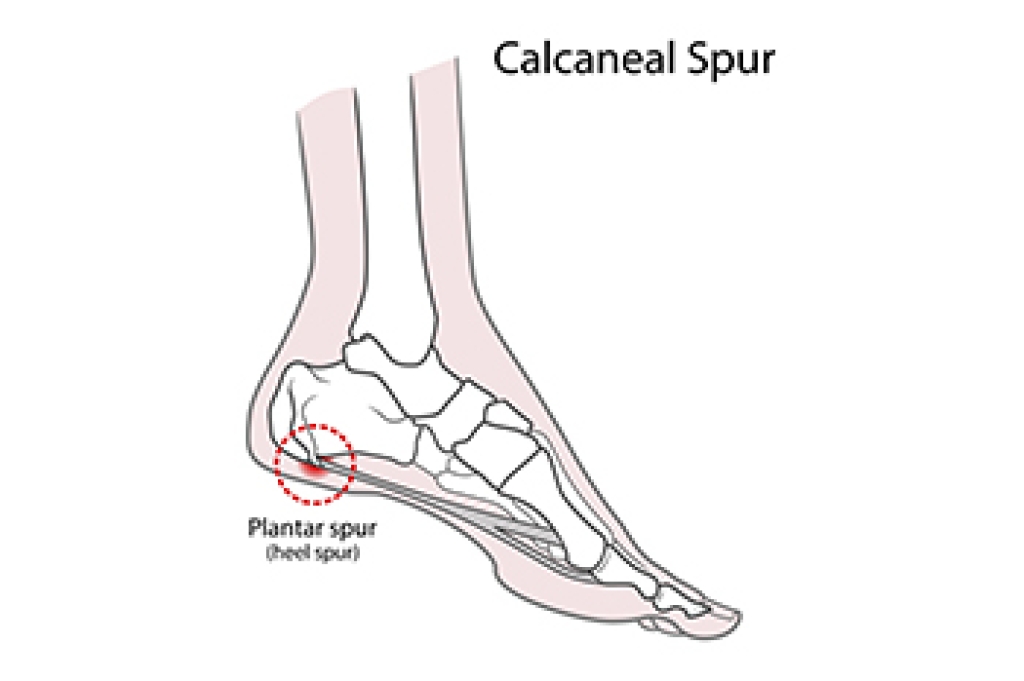
Heel spurs are small, bony growths that develop on the heel bone. They can form underneath the heel, where the foot absorbs pressure while standing and walking. Although a heel spur might sound painful, many people have one without noticing any symptoms. When discomfort occurs, it can feel like a sharp stab or a deep bruise beneath the heel. Pain may be especially noticeable with the first steps after getting out of bed. Heel spurs can appear alongside plantar fasciitis, which is irritation of the thick band of tissue supporting the arch. Because these problems can feel similar, heel pain deserves a careful examination.

Repeated strain on the foot can contribute to heel spur formation. Running, jumping, and long periods of standing place extra demands on the heel. Excess body weight can increase that pressure. Shoes that lack proper support may also affect how weight moves across the foot. Tight calf muscles can change how the heel handles stress. Another related problem is Achilles tendon irritation, which causes discomfort near the back of the heel. The location of pain helps a podiatrist understand which tissues might be involved. An X-ray can show a heel spur, but finding one does not prove it is the source of pain. A proper diagnosis helps avoid treating the wrong problem.

A podiatrist can examine your heel, review your activity level, and evaluate how you walk. They can check for tenderness and decide whether an X-ray would help clarify the diagnosis. Treatment can include supportive shoe inserts, protective taping, and professionally guided stretching exercises. These approaches aim to reduce strain on painful tissues and improve comfort. A podiatrist can also recommend shoes with suitable cushioning and support. Treatment focuses on the cause of pain rather than assuming the bony growth must be removed. Persistent discomfort deserves attention before it begins limiting everyday movement. If you have symptoms of heel spurs, it is suggested that you schedule an appointment with a podiatrist for a diagnosis and appropriate treatment.

Heel spurs can be incredibly painful and sometimes may make you unable to participate in physical activities. To get medical care for your heel spurs, contact Manisha Mehta, DPM from Detroit, MI. Our doctor will do everything possible to treat your condition.

Heels Spurs

Heel spurs are formed by calcium deposits on the back of the foot where the heel is. This can also be caused by small fragments of bone breaking off one section of the foot, attaching onto the back of the foot. Heel spurs can also be bone growth on the back of the foot and may grow in the direction of the arch of the foot.

Older individuals usually suffer from heel spurs and pain sometimes intensifies with age. One of the main condition's spurs are related to is plantar fasciitis.

Pain

The pain associated with spurs is often because of weight placed on the feet. When someone is walking, their entire weight is concentrated on the feet. Bone spurs then have the tendency to affect other bones and tissues around the foot. As the pain continues, the feet will become tender and sensitive over time.

Treatments

There are many ways to treat heel spurs. If one is suffering from heel spurs in conjunction with pain, there are several methods for healing. Medication, surgery, and herbal care are some options.

If you have any questions, please feel free to contact our office located in Detroit, MI . We offer the newest diagnostic and treatment technologies for all your foot care needs.

Read more about Heel Spurs

Wounds That Don't Heal Need to Be Checked

Your feet are covered most of the day. If you're diabetic, periodic screening is important for good health. Numbness is often a sign of diabetic foot and can mask a sore or wound.

How a Podiatrist Can Help Treat an Ankle Sprain

An ankle sprain happens when the strong bands of tissue supporting the ankle stretch or tear. These bands, called ligaments, connect bones and help keep the joint stable. A sudden twist, fall, or awkward landing can force the ankle beyond its normal range of movement. Sprains frequently affect the outside of the ankle. They can happen while playing sports or walking on uneven ground. Shoes that lack proper support can also increase the risk. Previous ankle injuries may leave the joint weaker and more likely to twist again.

Ankle sprains vary in severity. A mild sprain stretches a ligament, while a more serious injury can cause a partial or complete tear. Symptoms include pain, swelling, and bruising. Stiffness can make it difficult to move the joint. Some patients struggle to put weight on the injured foot or feel that the ankle might give way. A broken ankle can cause similar symptoms, and both injuries can happen together. Without proper treatment, a sprain can lead to lasting weakness or repeated episodes of ankle instability. This makes an early examination important, even when the injury seems minor.

A podiatrist can examine the ankle, review how the injury happened, and assess joint stability. X-rays or other imaging tests can help rule out a fracture and reveal the extent of damage. Treatment depends on the severity of the sprain. A podiatrist can recommend a supportive brace, prescribe medication to ease discomfort, or provide a guided program to restore movement. Follow-up care helps monitor healing and improve ankle strength. The podiatrist can also evaluate foot structure and recommend ways to reduce the risk of another injury. If you have sprained your ankle, it is suggested that you schedule an appointment with a podiatrist for a diagnosis and appropriate treatment.

Although ankle sprains are common, they aren’t always minor injuries. If you need your ankle injury looked at, contact Manisha Mehta, DPM from Detroit, MI. Our doctor can provide the care you need to keep you pain-free and on your feet.

How Does an Ankle Sprain Occur?

Ankle sprains are the result of a tear in the ligaments within the ankle. These injuries may happen when you make a rapid shifting movement while your foot is planted. A less common way to sprain your ankle is when your ankle rolls inward while your foot turns outward.

What Are the Symptoms?

  • Pain at the sight of the tear
  • Bruising/Swelling
  • Ankle area is tender to touch
  • In severe cases, may hear/feel something tear
  • Skin discoloration

Preventing a Sprain

  • Wearing appropriate shoes for the occasion
  • Stretching before exercises and sports
  • Knowing your limits

Treatment of a Sprain

In many cases, the RICE method (Rest, Ice, Compression, and Elevate) is used to treat ankle sprains. However, you should see a podiatrist to see which treatment option would work best with your injury. In severe cases, surgery may be required.

It is important to ask your doctor about rehab options after you receive treatment for your injury. Stretching, strength training, and balance exercises may help the ankle heal while also preventing further injury.

If you have any questions, please feel free to contact our office located in Detroit, MI . We offer the newest diagnostic and treatment technologies for all your foot care needs.

Read more about Ankle Sprains

Connect With Us

Advanced Podiatric Procedures & Services in the Lucas County, OH: Toledo (Ottawa Hills, Silica, Holland, Shoreland, Oregon, Harbor View, Maumee) and Wayne County, MI: Detroit (Hamtramck, River Rouge, Dearborn, Melvindale, Highland Park, Grosse Pointe Park, Grosse Pointe, Lincoln Park, Allen Park, Redford Charter Twp) and Wood County, OH: Rossford, Northwood, Walbridge areas