
Our Detroit office has moved to 4160 John R Street, Suite 1011, DMC Harper Professional Bldg., 10th Floor, Detroit, MI 48201

When Foot Structure Matters With Recurring Ingrown Toenails

Ingrown toenails are often blamed on trimming habits or wearing tight shoes, but underlying foot structure can sometimes influence how often the problem returns. In most cases, changes to overall foot alignment are not needed to prevent or manage this condition. Many people develop ingrown nails despite having otherwise typical foot mechanics. There are situations, however, where a flattened arch changes how pressure is distributed across the forefoot. This altered loading can increase stress along the edges of the toenails, especially while walking or standing for long periods of time. Gradually, that added pressure may worsen nail irritation or make healing more difficult after treatment. Addressing footwear, nail care, and pressure relief usually remains the primary focus, but structural factors may be considered in select cases. If ingrown toenails are persistent or painful, it is suggested that you see a podiatrist for a proper diagnosis and appropriate treatment.

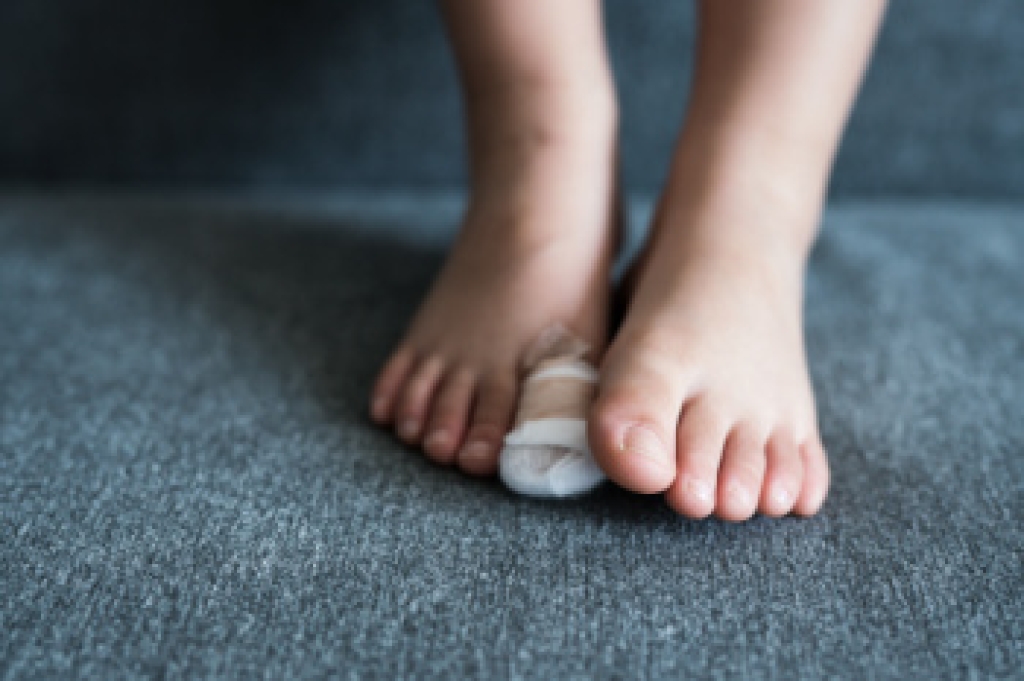
Ingrown toenails can become painful if they are not treated properly. For more information about ingrown toenails, contact Manisha Mehta, DPM of Detroit, MI. Our doctor can provide the care you need to keep you pain-free and on your feet.

Ingrown Toenails

Ingrown toenails occur when a toenail grows sideways into the bed of the nail, causing pain, swelling, and possibly infection.

Causes

  • Bacterial infections
  • Improper nail cutting such as cutting it too short or not straight across
  • Trauma to the toe, such as stubbing, which causes the nail to grow back irregularly
  • Ill-fitting shoes that bunch the toes too close together
  • Genetic predisposition

Prevention

Wearing proper fitting shoes and using proper cutting techniques will also help decrease your risk of developing ingrown toenails.

Treatment

Ingrown toenails are a very treatable foot condition. In minor cases, soaking the affected area in salt or antibacterial soaps will not only help with the ingrown nail itself, but also help prevent any infections from occurring. In more severe cases, surgery is an option. In either case, speaking to your podiatrist about this condition will help you get a better understanding of specific treatment options that are right for you.

If you have any questions, please feel free to contact our office located in Detroit, MI . We offer the newest diagnostic and treatment technologies for all your foot care needs.
Read more about Ingrown Toenails

Poor Circulation and Its Impact on Foot Health

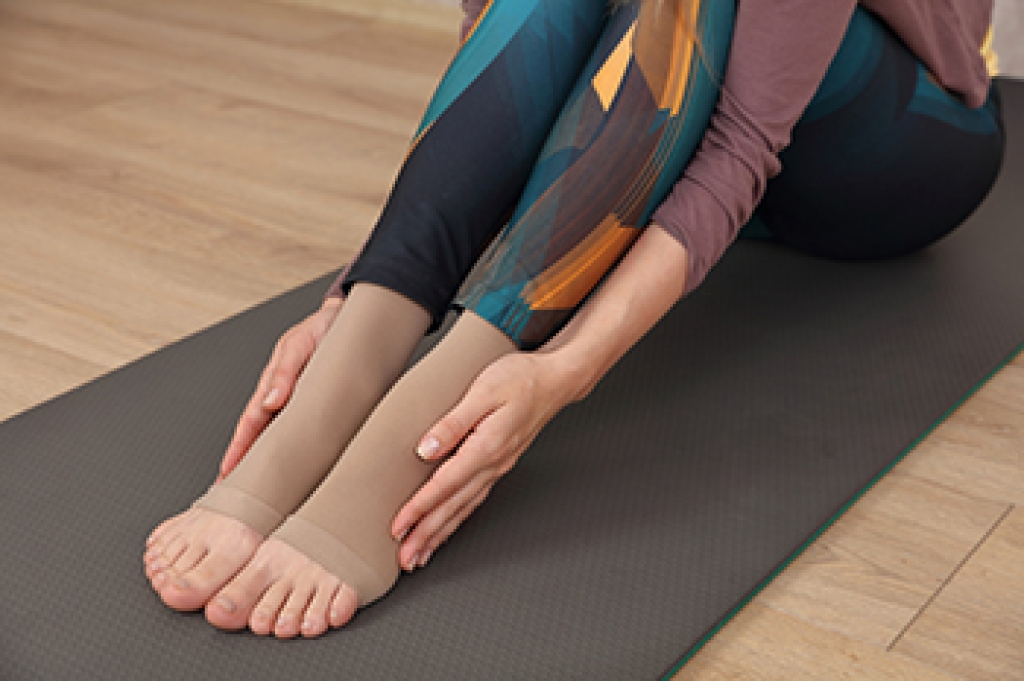
Poor circulation occurs when blood flow through the vessels is reduced, limiting the delivery of oxygen and nutrients to tissues. In the feet, this can lead to slow healing, skin changes, and increased risk of infection. Common symptoms include numbness and tingling, cold hands and feet, swelling, muscle cramps, and the appearance of varicose veins. Causes may include peripheral artery disease, diabetes, and habits such as standing or sitting for prolonged periods of time, which restrict healthy blood flow. Reduced circulation can lead to serious complications, if left untreated. If you have symptoms of poor foot circulation, it is suggested that you consult a podiatrist who can assess circulation, monitor foot health, and recommend appropriate care and lifestyle guidance. 

Poor circulation is a serious condition and needs immediate medical attention. If you have any concerns with poor circulation in your feet contact Manisha Mehta, DPM of Detroit, MI. Our doctor will treat your foot and ankle needs.

Poor Circulation in the Feet

Poor blood circulation in the feet and legs is can be caused by peripheral artery disease (PAD), which is the result of a buildup of plaque in the arteries.

Plaque buildup or atherosclerosis results from excess calcium and cholesterol in the bloodstream. This can restrict the amount of blood which can flow through the arteries. Poor blood circulation in the feet and legs are sometimes caused by inflammation in the blood vessels, known as vasculitis.

Causes

Lack of oxygen and oxygen from poor blood circulation restricts muscle growth and development. It can also cause:

  • Muscle pain, stiffness, or weakness 
  • Numbness or cramping in the legs
  • Skin discoloration
  • Slower nail & hair growth
  • Erectile dysfunction

Those who have diabetes or smoke are at greatest risk for poor circulation, as are those who are over 50. If you have poor circulation in the feet and legs it may be caused by PAD and is important to make changes to your lifestyle in order to reduce risk of getting a heart attack or stroke. Exercise and maintaining a healthy lifestyle will dramatically improve conditions.

As always, see a podiatrist as he or she will assist in finding a regimen that suits you. A podiatrist can also prescribe you any needed medication. 

If you have any questions, please feel free to contact our office located in Detroit, MI . We offer the newest diagnostic and treatment technologies for all your foot care needs.
Read more about Causes, Symptoms, and Treatment of Poor Blood Circulation in the Feet

Have I Broken My Toe?

Toe fractures are breaks or cracks in one or more of the small bones of the toes, often resulting from trauma, stubbing, dropping a heavy object on it, or sports injuries. Symptoms typically include pain, swelling, bruising, difficulty walking, and sometimes visible deformity of the toe. Risk factors that increase the likelihood of toe fractures include participating in high-impact activities, having weak bones, or wearing improper footwear that does not protect the toes. Untreated fractures can lead to chronic pain, joint stiffness, or improper healing. A podiatrist can accurately diagnose toe fractures, provide proper immobilization, recommend pain management, and create a treatment plan to ensure correct healing. If you think you have broken your toe, it is suggested that you promptly consult a podiatrist who can offer effective treatment solutions that are right for you.

Broken toes may cause a lot of pain and should be treated as soon as possible. If you have any concerns about your feet, contact Manisha Mehta, DPM from Detroit, MI. Our doctor will treat your foot and ankle needs.

What Is a Broken Toe?

A broken toe occurs when one or more of the toe bones of the foot are broken after an injury. Injuries such as stubbing your toe or dropping a heavy object on it may cause a toe fracture.

Symptoms of a Broken Toe

  • Swelling
  • Pain (with/without wearing shoes)
  • Stiffness
  • Nail Injury

Although the injured toe should be monitored daily, it is especially important to have a podiatrist look at your toe if you have severe symptoms. Some of these symptoms include worsening or new pain that is not relieved with medication, sores, redness, or open wounds near the toe.

If you have any questions please feel free to contact our office located in Detroit, MI . We offer the newest diagnostic tools and technology to treat your foot and ankle needs.

Read more about What to Know About a Broken Toe

Cracked Heels and the Importance of Podiatric Foot Care

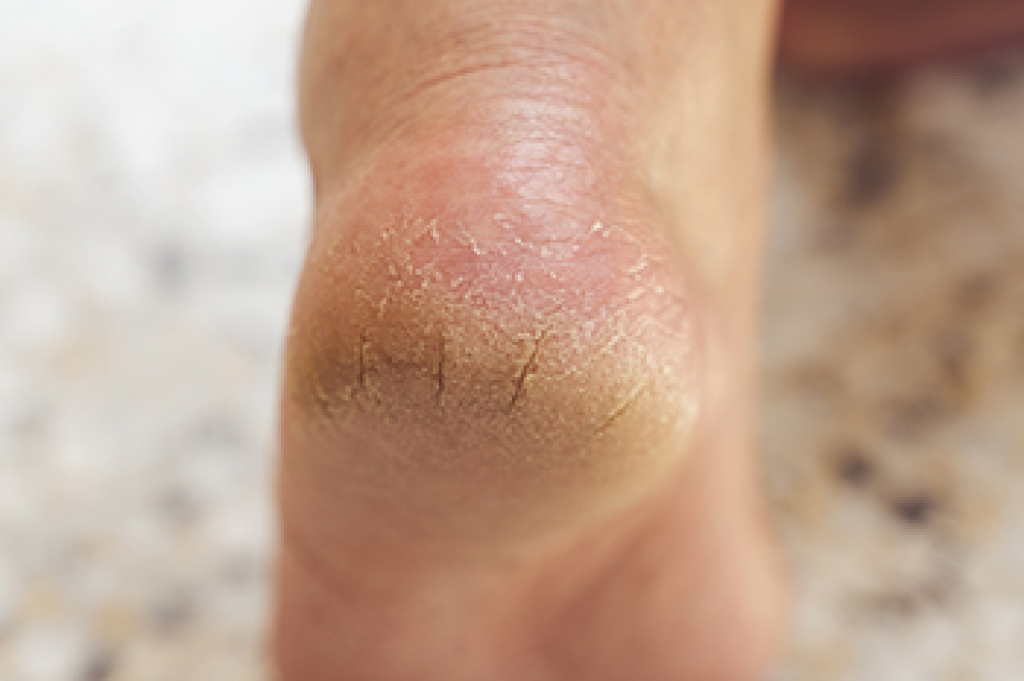
Cracked heels are a condition where the skin along the heel becomes dry, thick, and split, often causing discomfort or pain. Common causes include vitamin deficiencies, chronic dry skin, mechanical stress from standing or walking, and frequent barefoot walking. Medical conditions such as diabetes can increase the risk due to reduced skin healing and circulation. Symptoms may include rough skin, visible fissures, tenderness, and, in severe cases, bleeding. Risk factors also include obesity, poor footwear support, and certain skin disorders. A podiatrist can assess the severity of cracked heels, provide safe debridement, recommend therapeutic moisturizers, and address underlying causes. If you have developed cracked heels, it is suggested that you consult a podiatrist who can offer effective relief and treatment solutions, which may include prescribed medication.

If the skin on your feet starts to crack, you may want to see a podiatrist to find treatment. If you have any concerns, contact Manisha Mehta, DPM from Detroit, MI. Our doctor can provide the care you need to keep you pain-free and on your feet.

Cracked Heels

It is important to moisturize your cracked heels in order to prevent pain, bleeding, and infection. The reason cracked heels form is because the skin on the foot is too dry to support the immense pressure placed on them. When the foot expands, the dry skin on the foot begins to split.

Ways to Help Heal Them

  • Invest in a good foot cream
  • Try Using Petroleum Jelly
  • Ease up on Soaps
  • Drink Plenty of Water

Ways to Prevent Cracked Heels

  • Moisturize After Showering
  • Skip a Shower
  • Keep Shower Water Lukewarm
  • Don’t Scrub Your Feet

If you are unsure how to proceed in treating cracked heels, seek guidance from a podiatrist. Your doctor will help you with any questions or information you may need. 

If you have any questions, please feel free to contact our office located in Detroit, MI . We offer the newest diagnostic and treatment technologies for all your foot care needs.

Read more about Solutions for Cracked Heels

Keep Your Feet Healthy So You Can Stay Active

Have your feet inspected by a professional before starting a new sport or physical activity. Taking charge of your foot health will keep you in good physical condition and can help you avoid a potential injury, such as a fracture or sprained ankle.

Prevent injuries and see a foot specialist.

Connect With Us

Advanced Podiatric Procedures & Services in the Lucas County, OH: Toledo (Ottawa Hills, Silica, Holland, Shoreland, Oregon, Harbor View, Maumee) and Wayne County, MI: Detroit (Hamtramck, River Rouge, Dearborn, Melvindale, Highland Park, Grosse Pointe Park, Grosse Pointe, Lincoln Park, Allen Park, Redford Charter Twp) and Wood County, OH: Rossford, Northwood, Walbridge areas